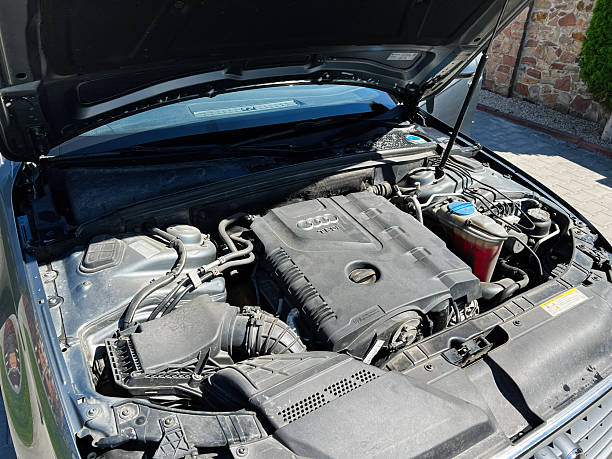
When you invest in a premium car like an Audi, you expect exceptional comfort — especially when it comes to climate control. But if your air conditioner starts blowing warm air or struggles to maintain cool temperatures, there’s a good chance your Audi AC compressor is to blame. The compressor is the heart of your A/C system, and when it fails or operates inefficiently, cooling performance drops sharply.
Let’s explore the most common AC compressor Audi problems, how they affect cooling, and what you can do to fix or prevent them.
1. Understanding the Role of the Audi AC Compressor
The Audi AC compressor acts as the system’s pump — compressing low-pressure refrigerant gas into high-pressure vapor, allowing it to circulate through the condenser and evaporator to cool your cabin.
Without a properly functioning compressor, your aircon can’t generate the pressure needed to convert refrigerant into cold air. Even a minor compressor fault can result in uneven cooling, strange noises, or complete system shutdown.
In simple terms: if the compressor isn’t working, neither is your air conditioning.
2. Common Audi AC Compressor Problems That Affect Cooling
Audi air conditioning systems are sophisticated, but they’re not immune to wear and tear — especially in Australia’s hot climate. Here are the most frequent AC compressor Audi problems that lead to cooling failure.
a) Faulty Compressor Clutch
The clutch engages and disengages the compressor based on cabin temperature demands. When it fails, the compressor either won’t engage (causing no cooling) or won’t disengage (risking overpressure and component damage).
Symptoms:
- No cold air even when A/C is on
- Clicking noise when the A/C cycles on and off
- Compressor pulley spinning without clutch engagement
Solution:
A qualified technician can check for clutch wear or electrical issues. In many cases, replacing just the clutch is possible — though on newer models, the entire compressor assembly might need replacing.
b) Low Refrigerant or Pressure Loss
The Audi AC compressor relies on a precise refrigerant charge for proper lubrication and heat exchange. Low refrigerant levels force the compressor to work harder, leading to premature failure.
Symptoms:
- Weak or inconsistent cooling
- Compressor cycling on and off frequently
- Hissing or bubbling noises from A/C lines
Solution:
A professional inspection can identify leaks at the O-rings, hoses, or condenser. The system should be pressure-tested, evacuated, and recharged with the correct refrigerant (R134a or R1234yf, depending on your Audi model).
See also: future business financial success
c) Electrical or Sensor Malfunctions
Modern Audis use multiple sensors — including pressure and temperature sensors — to regulate A/C operation. A single faulty reading can prevent the compressor from engaging to protect the system.
Symptoms:
- A/C button lights up, but compressor doesn’t activate
- Cooling performance fluctuates with engine speed
- Error codes appear on diagnostic scan
Solution:
Electrical issues often require diagnostic tools. A workshop can test continuity, relays, and voltage supply to the compressor. If sensors are faulty, they can be replaced individually without replacing the entire unit.
d) Internal Compressor Damage
Over time, contamination, lack of lubrication, or overpressure can damage the internal pistons and valves inside the compressor. Once that happens, efficiency drops drastically, and metal debris can spread throughout the A/C system.
Symptoms:
- Grinding or rattling noises from compressor area
- Warm air even when refrigerant levels are correct
- Metallic debris found in the receiver-drier or expansion valve
Solution:
Unfortunately, internal failure usually means the compressor must be replaced. It’s also critical to flush the entire A/C system to prevent new compressor damage from leftover debris.
3. How Climate and Driving Habits Affect Compressor Performance
In Australia’s harsh climate, your Audi’s A/C system works overtime. Extended exposure to high heat, humidity, and road dust accelerates wear on compressor components.
Key contributors to compressor wear include:
- Frequent stop-and-go driving — reduces airflow over the condenser, increasing compressor load.
- Neglected cabin air filters — restrict airflow, making the compressor work harder.
- Irregular A/C use — allows seals to dry out, leading to refrigerant leaks.
That’s why it’s essential to run your A/C periodically even during winter months — this keeps the seals lubricated and maintains system pressure.
4. Preventing AC Compressor Failure in Your Audi
With proactive care, you can extend your compressor’s lifespan and avoid costly replacements. Here are some proven strategies:
a) Schedule Regular A/C Servicing
Annual or biannual A/C servicing includes system inspection, refrigerant top-up, and leak testing. This helps maintain the correct refrigerant level and ensures the compressor stays well-lubricated.
b) Keep the Condenser Clean
The condenser, located at the front of your Audi, dissipates heat from the refrigerant. Dust, bugs, and debris can block airflow, causing high compressor pressures and overheating.
Gently wash the condenser with water or have it cleaned during scheduled service.
c) Replace Drive Belts and Pulleys When Needed
A worn drive belt can slip, causing erratic compressor performance. During servicing, check for cracks, glazing, or fraying. Replacing a $50 belt is much cheaper than a $1,000 compressor repair.
d) Address Issues Early
If you hear unusual noises or notice reduced cooling, get your system checked immediately. Continuing to run a damaged compressor can contaminate the entire system — turning a small repair into a full A/C rebuild.
5. When to Replace Your Audi AC Compressor
Sometimes repair isn’t enough. Replacement is often the best option when:
- The compressor clutch or internal parts are damaged
- There’s metal contamination in the system
- The compressor housing is cracked or leaking
When choosing a replacement, make sure the Audi AC compressor matches your model, engine type, and refrigerant system. Ozcool Auto offers a wide range of genuine and aftermarket compressors for various Audi models — ensuring perfect fitment and lasting performance.
6. Final Thoughts: Keep Cool and Drive Confidently
A well-functioning Audi AC compressor isn’t just about comfort — it’s essential for safe, enjoyable driving, especially in Australia’s intense summer conditions. Understanding the warning signs, maintaining the right refrigerant charge, and keeping your system serviced can prevent unexpected breakdowns and costly repairs.
Whether you’re troubleshooting AC compressor Audi problems or looking for a reliable replacement, professional guidance makes all the difference. With the right parts and proactive maintenance, you can ensure your Audi’s A/C keeps performing like new — mile after mile.